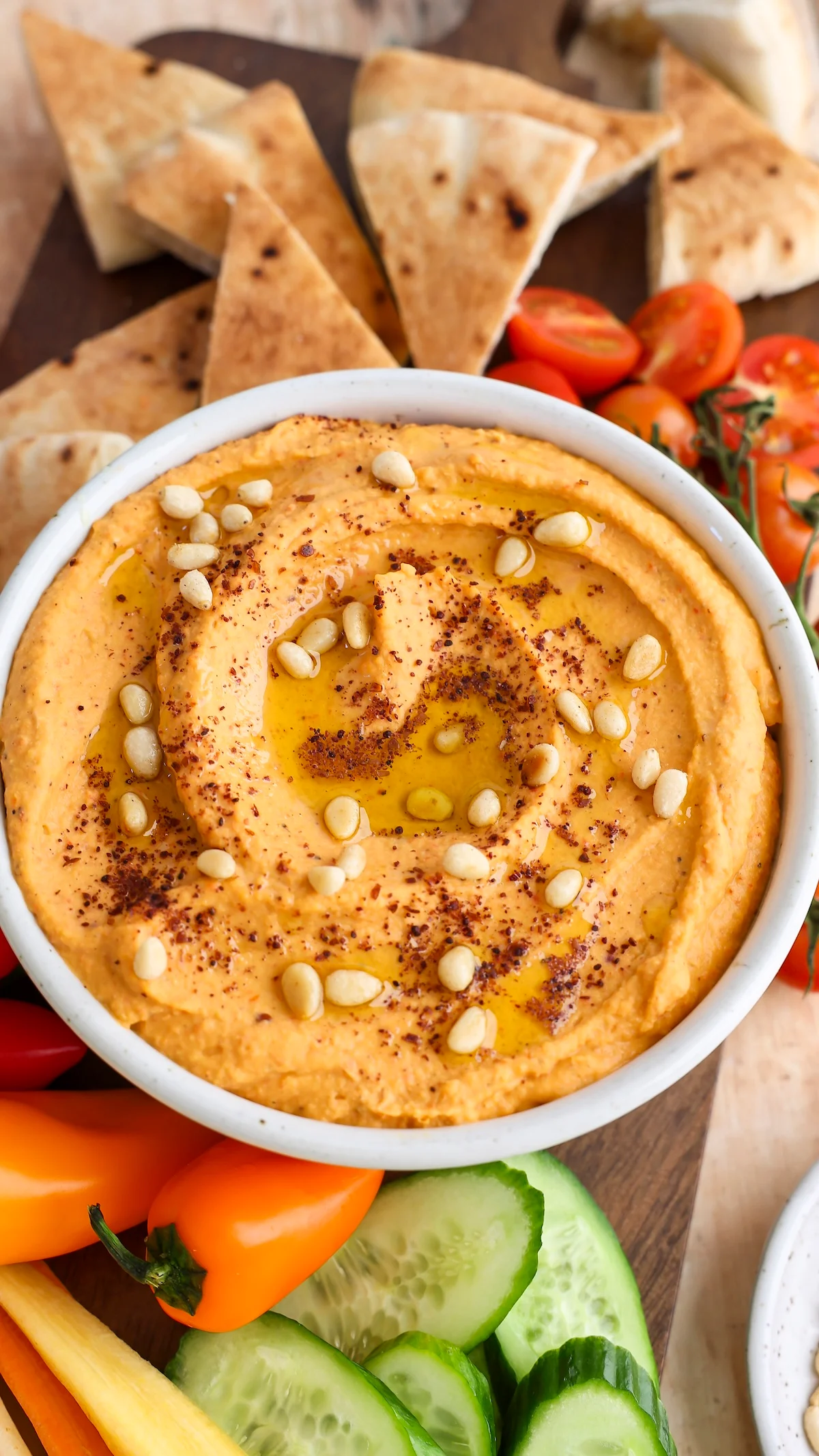
Your Guide to Roasted Red Pepper Hummus: Prep, Serve & Chill
In the realm of dips and spreads, few creations capture hearts quite like hummus. But for those seeking a vibrant, smoky, and utterly irresistible twist,
roasted red pepper hummus stands in a league of its own. This culinary gem transforms humble chickpeas into a creamy, flavorful masterpiece, bursting with the sweet, smoky notes of roasted bell peppers and the zesty kick of lemon. Forget those bland store-bought tubs; crafting your own at home unlocks a world of fresh flavors and superior textures that are truly transformative. It's not just a dip; it's a versatile ingredient that elevates snacks, sandwiches, and even main courses.
Why Make Your Own Roasted Red Pepper Hummus?
The allure of homemade hummus, particularly the roasted red pepper variety, goes far beyond simple convenience. While grabbing a tub from the grocery store might seem easier, the difference in taste, freshness, and quality is monumental.
The Unbeatable Flavor Profile
When you make
roasted red pepper hummus from scratch, you're in control of every ingredient, allowing you to fine-tune the flavors to perfection. The star here, of course, is the roasted red pepper. Whether you opt for jarred peppers, which are incredibly convenient and consistent, or take the extra step to roast fresh bell peppers yourself for an even deeper, personalized smoky char, their sweet and slightly smoky essence infuses the entire dip. This depth of flavor pairs exquisitely with the nutty undertones of tahini and the bright acidity of fresh lemon juice, creating a harmonious blend that a pre-packaged product simply can't replicate. The result is a dip that’s richer, more complex, and wonderfully aromatic. If you're ready to
whip up easy roasted red pepper hummus that's truly better than store-bought, you're in for a treat.
Health Benefits and Customization
Beyond taste, homemade hummus offers significant health advantages. It’s naturally packed with plant-based protein and fiber from chickpeas, essential healthy fats from tahini and olive oil, and vitamins from lemon and garlic. When you prepare it yourself, you can skip the artificial preservatives, excessive sodium, and unwanted additives often found in commercial versions. This allows for complete customization to suit dietary needs or preferences – whether you want to reduce oil, add more garlic, or experiment with different spices. It's a healthy, wholesome snack that you can feel good about enjoying and sharing.
Mastering the Ingredients: What You'll Need
To truly master
homemade roasted red pepper hummus, understanding the essential ingredients and tips is paramount. The beauty of this recipe lies in its simplicity, relying on a handful of key components to build its incredible flavor.
The Core Hummus Essentials
- Chickpeas (Garbanzo Beans): The foundation of any hummus. A 15-ounce can of drained and rinsed chickpeas is typically enough. For an exceptionally smooth texture, some chefs recommend removing the skins, though this is optional and time-consuming. Alternatively, you can soak and cook dried chickpeas for an even fresher taste.
- Tahini: This paste made from ground sesame seeds is non-negotiable for authentic hummus. It provides a distinct nutty flavor and contributes significantly to the creamy texture. Look for a good quality tahini – the taste can vary widely between brands. A well-stirred tahini that is fluid rather than stiff will blend more easily.
- Lemon Juice: Freshly squeezed lemon juice is crucial. It brightens the flavor, cuts through the richness of the tahini, and adds a zesty tang. Avoid bottled lemon juice if possible, as it often lacks the vibrant acidity of fresh lemons.
- Garlic: One or two cloves of fresh garlic, minced, provide a pungent, aromatic kick. Adjust to your preference – some love a garlicky punch, others prefer a more subtle hint.
The Red Pepper Magic
The ingredient that truly defines this variation is, of course, the roasted red pepper. You have a couple of excellent options:
- Jarred Roasted Red Peppers: This is the most convenient choice. Look for peppers packed in water or oil. Drain them well before adding to your food processor. They offer consistent flavor and save a lot of prep time.
- Fresh Roasted Red Peppers: For the ultimate depth of flavor, you can roast your own. Halve and deseed red bell peppers, place them skin-side up on a baking sheet, and roast under a broiler or in a hot oven until the skins are charred and blistered. Transfer them to a bowl, cover with plastic wrap, and let them steam for about 10-15 minutes. This makes the skins easy to peel off. The effort is rewarded with a profound smoky sweetness.
Flavor Enhancers and Optional Additions
- Olive Oil: While some recipes add olive oil during blending for extra creaminess, others reserve it for a final drizzle. High-quality extra virgin olive oil adds richness and a lovely sheen.
- Dried Basil: A quarter teaspoon of dried basil offers an aromatic, slightly sweet herb note that complements the red peppers beautifully.
- Salt and Pepper: To taste. These essential seasonings bring all the other flavors into focus. Start with a pinch and adjust as needed.
- Water or Ice Water: Sometimes, a tablespoon or two of cold water or even ice water can help achieve that silky smooth texture without adding extra oil, especially if your hummus is too thick.
Step-by-Step: Crafting Your Perfect Roasted Red Pepper Hummus
Making your own
roasted red pepper hummus is surprisingly simple, especially with the help of a food processor. It's a quick process that yields impressive results.
The Blending Process
1.
Combine Initial Ingredients: Start by combining the drained chickpeas, tahini, fresh lemon juice, and minced garlic in the bowl of your food processor.
2.
First Pulse: Pulse these ingredients a few times to start breaking down the chickpeas and blending them together. You want a coarse, blended mixture at this stage.
3.
Add Roasted Peppers and Basil: Next, add your drained roasted red peppers and the dried basil (if using).
4.
Process to Smoothness: Continue processing. Depending on your desired texture and food processor, this might take a few minutes. Scrape down the sides of the bowl as needed to ensure everything is thoroughly incorporated. If you prefer a very smooth hummus, let the motor run for a good 2-3 minutes. If the mixture seems too thick, you can slowly drizzle in a tablespoon or two of water or a little olive oil until it reaches your desired consistency.
5.
Season and Adjust: Once you've achieved your desired texture, taste the hummus. Season with salt and freshly ground black pepper to your liking. Don't be shy here; proper seasoning can elevate the entire dish.
Achieving the Ideal Texture
The texture of your
roasted red pepper hummus is a matter of personal preference. Some prefer it rustic and slightly chunky, while others aim for an ultra-smooth, almost velvety consistency.
*
For Creamy Hummus: Allow the food processor to run longer. Incorporating a little cold water or ice water during the final blending can also help achieve an incredibly light and airy texture. The cold water emulsifies the mixture further, making it exceptionally smooth.
*
For Thicker Hummus: Use less liquid (lemon juice or water). If it's too thick, simply add more lemon juice, water, or a drizzle of olive oil, one tablespoon at a time, until you reach your desired consistency.
Prep, Serve & Chill: Tips for Enjoying Your Hummus
Once your delicious
roasted red pepper hummus is made, proper storage and creative serving ideas will help you get the most out of your efforts.
Optimal Storage for Freshness
Homemade hummus tastes best when the flavors have had a chance to meld.
- Chill Before Serving: After preparing, transfer the hummus to a small bowl, cover it tightly with plastic wrap (pressing it directly onto the surface of the hummus to prevent a skin from forming), and chill in the refrigerator for at least 30 minutes to an hour. This allows the flavors to deepen and the hummus to firm up slightly.
- Make Ahead: This hummus recipe is perfect for meal prep! You can easily make it 1 day ahead of time. Store it covered in the refrigerator.
- Serving Temperature: While it's crucial to chill before serving, bringing your hummus to room temperature for about 15-20 minutes before enjoying can enhance its flavors and improve the texture, making it softer and more spreadable.
- Shelf Life: Stored properly in an airtight container in the refrigerator, homemade roasted red pepper hummus will typically last for 3-5 days.
Creative Serving Suggestions
The versatility of
roasted red pepper hummus means it’s much more than just a dip for pita.
- Classic Dipping: Serve with warm pita bread, pita chips, crackers, or a vibrant assortment of fresh vegetables like carrot sticks, celery sticks, cucumber slices, bell pepper strips, and halved radishes.
- Spreads and Sandwiches: Use it as a healthy and flavorful spread for sandwiches, wraps, or toast. It pairs wonderfully with grilled vegetables, feta cheese, or roasted chicken.
- Salad Topping: Dollop a spoonful onto green salads or grain bowls for an extra layer of flavor and protein. Thin it out slightly with a little water or lemon juice to create a creamy salad dressing.
- Appetizer Platter: Incorporate it into a mezze platter alongside olives, cheese, stuffed grape leaves, and other Mediterranean delights.
- Main Course Accent: Serve it as a base for grilled fish or chicken, or as a side dish with falafel.
Troubleshooting Common Hummus Hurdles
Even the best cooks run into occasional issues. Here are quick fixes:
- Too Thick: Add a tablespoon of ice water, lemon juice, or olive oil at a time, blending after each addition, until the desired consistency is reached.
- Too Thin: If it's too watery, you might try adding a few more chickpeas (if you have them) or blending in a tablespoon of extra tahini. Chilling will also help it firm up.
- Bitter Taste: This can often be due to old or poor-quality tahini, or too much raw garlic. Try adding a pinch of sugar or a touch more lemon juice to balance it out.
- Gritty Texture: Ensure your food processor runs long enough. For the smoothest texture, consider blanching and peeling your chickpeas or using slightly more liquid.
Roasted red pepper hummus is a testament to how simple ingredients can come together to create something truly extraordinary. Its vibrant color, smoky aroma, and creamy texture make it an instant crowd-pleaser and a healthy addition to any meal. By taking a few moments to prepare it yourself, you unlock a superior taste experience that store-bought versions simply cannot match. So gather your ingredients, fire up your food processor, and embark on a delicious journey to homemade perfection. Your taste buds will thank you!